How to Store Patio Furniture in Winter: The Ultimate Guide for Longevity
Protect your outdoor investment! Learn expert tips and a step-by-step guide to properly store patio furniture for winter, ensuring it lasts for years.
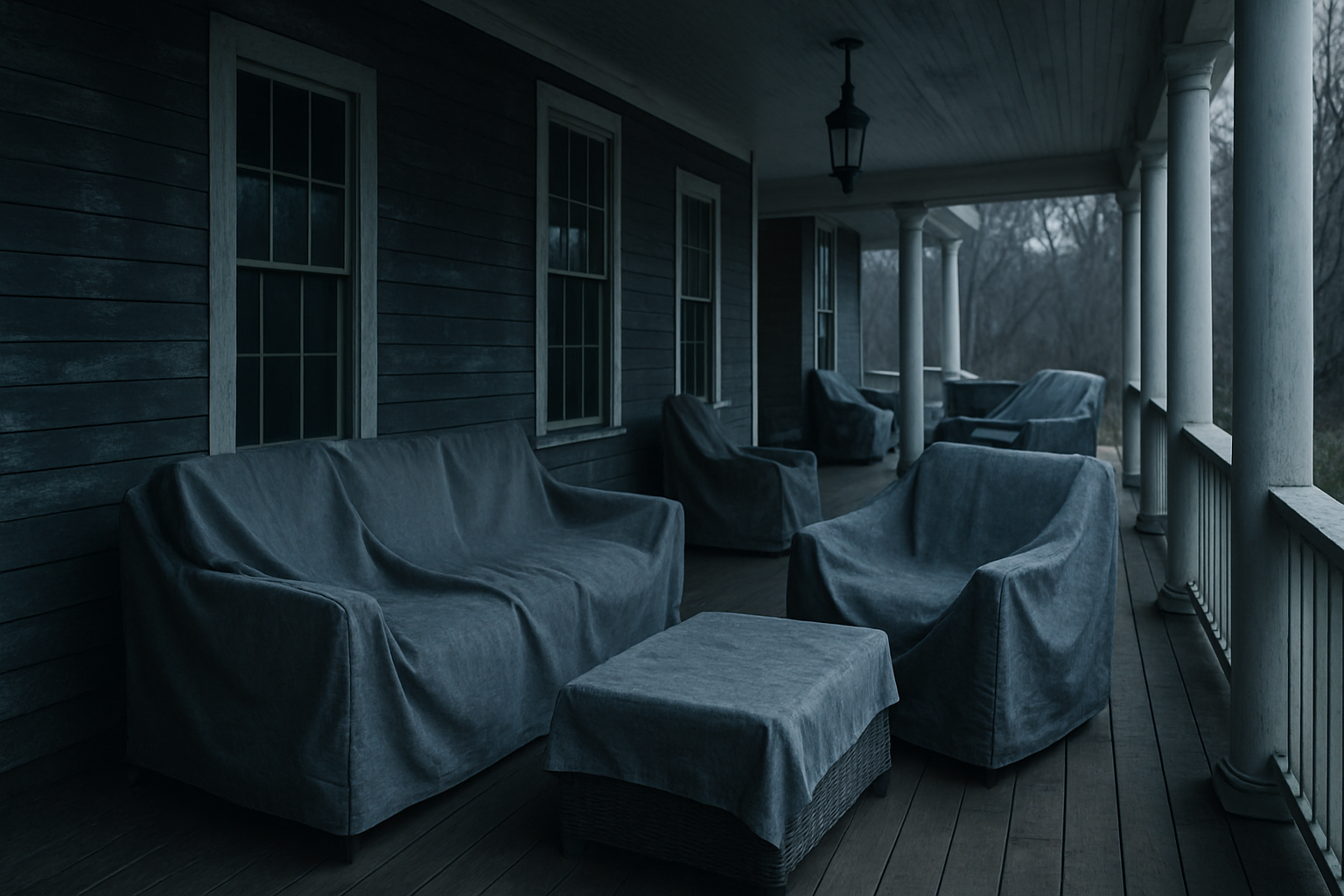
Why this matters: Proper winter storage isn't just about keeping your patio furniture clean; it's about extending its lifespan, preventing costly damage from frost, moisture, mold, and pests, and ensuring your investment looks great season after season. Neglecting these steps can lead to warping, rust, mildew, and faded finishes, shortening the life of even the most durable outdoor pieces.
As the colder months approach, the thought of packing away your beloved outdoor oasis might feel like a chore. But trust us, a little effort now will save you a lot of headache and expense later. At SpaceVersus, we know that your patio furniture is an investment in your comfort and outdoor living, and we're here to guide you through the best practices for winter storage, ensuring your pieces emerge next spring looking as good as new.
What's the First Step Before Storage?

Sophia & William HDPE Patio Furniture Set,Modern Outdoor Sectional Sofa Set with 5.5" Cushions and 43.5" Wood Grain Coffee Table, Deep Seating Outdoor Conversation Set for Backyard(Beige, 5 Seats)
View DealBefore you even think about covers or storage spaces, every single piece of your patio furniture needs a thorough cleaning. Dirt, grime, pollen, and even bird droppings can become set-in stains or breeding grounds for mold and mildew if left unchecked over the winter. Different materials require different cleaning approaches:
Fabric and Cushions: Use a mild soap and water solution, scrubbing gently with a soft brush. For stubborn stains, specialized outdoor fabric cleaners can be effective. Rinse thoroughly until no suds remain. Metal (Aluminum, Steel, Wrought Iron): Wipe down with warm soapy water. For rust-prone metals like steel or iron, ensure they are completely dry and consider applying a coat of wax or rust-inhibiting primer if any scratches or bare spots are visible. Wood (Teak, Eucalyptus, Acacia): Clean with a soft brush and soapy water. For teak, a specialized teak cleaner can remove graying. Ensure all wood is completely dry to prevent rot. Wicker (Resin/HDPE, Natural): Use a soft brush or vacuum to remove debris, then wipe with a damp cloth and mild soap. Rinse well and dry thoroughly.- Plastic/Resin: Simple soap and water usually suffice. For tough stains, a magic eraser can work wonders.
How Do You Prepare Cushions and Fabric?
Cushions and other fabric elements are particularly vulnerable to moisture and pests. After cleaning them as described above, it's crucial that they are completely dry before storage. Any residual dampness will invite mold, mildew, and unpleasant odors. If possible, bring all cushions, pillows, and fabric slings indoors. Store them in a dry, climate-controlled environment such as a closet, basement, or storage bins. If space is limited, vacuum-seal bags can compress them, saving room and offering an extra layer of protection against moisture and insects.
Pro Tip: Elevate any furniture that needs to stay outdoors off the ground using blocks or furniture risers. This prevents moisture from wicking up from the ground and promotes air circulation, deterring rust and rot.Should You Disassemble Your Furniture?
For many types of patio furniture, especially larger sets or items with removable parts, disassembly can be a smart move. Taking apart tables, chairs, or sectional pieces can save significant storage space and reduce the risk of structural damage during moving or storage. It also allows for easier cleaning of hidden nooks and crannies. Before disassembling, take photos and label parts to make reassembly smoother next spring. Store all hardware (screws, bolts, washers) in clearly labeled plastic bags, taping them securely to the corresponding furniture piece.
What About Covers and Tarps?
Even if you're storing furniture indoors, covers offer an extra layer of protection against dust and accidental scratches. For furniture that must remain outdoors, high-quality, breathable, waterproof covers are non-negotiable. Look for covers made from durable materials like polyester with a PVC backing. Ensure they fit snugly but aren't so tight that they restrict airflow. Avoid non-breathable plastic tarps directly against furniture, as they can trap moisture and encourage mold growth. If using a tarp, ensure there's air circulation underneath by propping it up.
Pro Tip: Before storing any furniture, especially if it's going into an enclosed space, check for any signs of pest activity like spiderwebs or insect nests. Give everything a good wipe down and consider placing cedar blocks or natural pest repellents nearby to deter unwanted visitors.Where's the Best Place to Store Patio Furniture?
The ideal storage location is dry, dark, and protected from extreme temperature fluctuations. Options include:
Indoors: A basement, garage, spare room, or storage unit provides the best protection from the elements. This is the preferred option for all fabric elements and more delicate furniture materials. Shed: A sturdy, waterproof shed can work well, provided it's clean, dry, and free of pests. Ensure good ventilation. Outdoors (Covered): If indoor or shed storage isn't an option, use high-quality covers. Position furniture under a porch overhang or against a wall to minimize exposure, and ensure proper airflow underneath the covers to prevent moisture buildup.How Do You Protect Against Pests and Moisture?

Modern Adirondack Chair with Cup Holder, HDPE Plastic Patio Chairs for All Weather, Fire Pit Chair, Outdoor Lawn Chairs for Deck, Porch, Backyard, Garden, Black
View DealBeyond covers, there are a few extra steps to ensure your furniture remains pest-free and dry. As mentioned, ensuring items are completely dry before storage is paramount. Consider adding desiccants (like silica gel packets) to enclosed storage bins, especially with cushions, to absorb any ambient moisture. For rodent prevention, keep storage areas clean and clutter-free, and consider humane traps or repellents if you've had issues in the past. Elevated storage, as mentioned, also helps deter ground-dwelling pests.
Pro Tip: If storing furniture outdoors or in an unheated shed, periodically check the covers for tears or signs of wear throughout the winter. Adjust them as needed to ensure continuous protection. A quick visual inspection every few weeks can prevent minor issues from becoming major damage.What Mistakes Should You Avoid?
Storing Wet Furniture: This is the cardinal sin of winter storage. Any moisture will inevitably lead to mold, mildew, unpleasant odors, and potential damage to frames. Skipping the Cleaning: Dirt and grime can become deeply embedded over months of storage, making spring cleaning much harder and potentially damaging finishes. Using Ill-Fitting or Cheap Covers: Thin, non-breathable tarps or covers that don't fit properly can trap moisture, tear easily, or blow off in the wind, leaving your furniture exposed. Ignoring Pest Prevention: Rodents, spiders, and insects can make nests, chew through fabrics, and leave behind unsightly messes if your storage area isn't secure. Leaving Furniture Directly on the Ground: This allows moisture to seep into frames and encourages insect activity.Quick Checklist & Our Top Picks for Durable Winter-Ready Furniture
Before winter sets in, run through this quick checklist:
Clean all furniture thoroughly. Ensure everything is bone-dry. Remove and store cushions/fabrics indoors. Disassemble items where practical, label, and store hardware. Apply protective treatments (wax, rust-inhibitor) if needed. Cover furniture with breathable, waterproof covers. Store in a dry, protected, elevated location. Check for pests and use repellents if necessary.While all furniture benefits from proper winter storage, choosing durable, all-weather materials from the outset can make the process easier and offer more peace of mind. HDPE (High-Density Polyethylene) is a fantastic example, known for its extreme weather resistance, UV stability, and low maintenance. Furniture made from HDPE can withstand the elements far better than many other materials, though covering it for winter is still recommended for ultimate longevity.
For those looking for robust pieces that endure, consider options like the Sophia & William HDPE Patio Furniture Set, a modern sectional sofa designed with durable materials and deep cushions, perfect for those who prioritize both comfort and resilience. Read our full review
Individual pieces like the POLYDUN Modern Adirondack Chair and the matching nalone Adirondack Side Table are also excellent choices. Crafted from HDPE plastic, these pieces are built for all-weather performance, making them easy to clean and less susceptible to winter damage. Read our full review and Read our full review
By following these steps and investing in quality, durable furniture, you'll ensure your patio remains a welcoming retreat for many seasons to come, year after year.
Affiliate Disclosure: This article features products we've independently reviewed. We may earn a small commission if you purchase through our links — at no extra cost to you. This supports our editorial work. Learn more
Products Mentioned
Independently reviewed • Prices updated regularly
Sophia & William HDPE Patio Furniture Set,Modern Outdoor Sectional Sofa Set with 5.5" Cushions and 43.5" Wood Grain Coffee Table, Deep Seating Outdoor Conversation Set for Backyard(Beige, 5 Seats)
The Sophia & William HDPE Patio Set scores 74/100, offering superior comfort and weather resistance in an unproven package.
Modern Adirondack Chair with Cup Holder, HDPE Plastic Patio Chairs for All Weather, Fire Pit Chair, Outdoor Lawn Chairs for Deck, Porch, Backyard, Garden, Black
Durable, comfortable Poly Lumber Adirondack chair with modern style and zero fuss.

nalone Adirondack Side Table 16.5" Outdoor Side Table HDPE Plastic Double Adirondack End Table Small Table for Patio (Black)
The nalone Adirondack Side Table scores 85/100, excelling with two-tier storage and superior HDPE weather resistance for small spaces.
Prices may vary. As an Amazon Associate, we earn from qualifying purchases.
David Osei is a furniture industry analyst and tech reporter at SpaceVersus, covering outdoor living trends, material science, and consumer product testing. Their reviews combine hands-on field testing with algorithmic data analysis to cut through manufacturer claims and deliver objective verdicts.