How to Remove Rust from Patio Furniture: Your Ultimate Guide to Restoring Outdoor Pieces
Don't let rust ruin your outdoor oasis. Discover simple, effective methods to remove rust from patio furniture and restore its beauty, extending its lifespan.
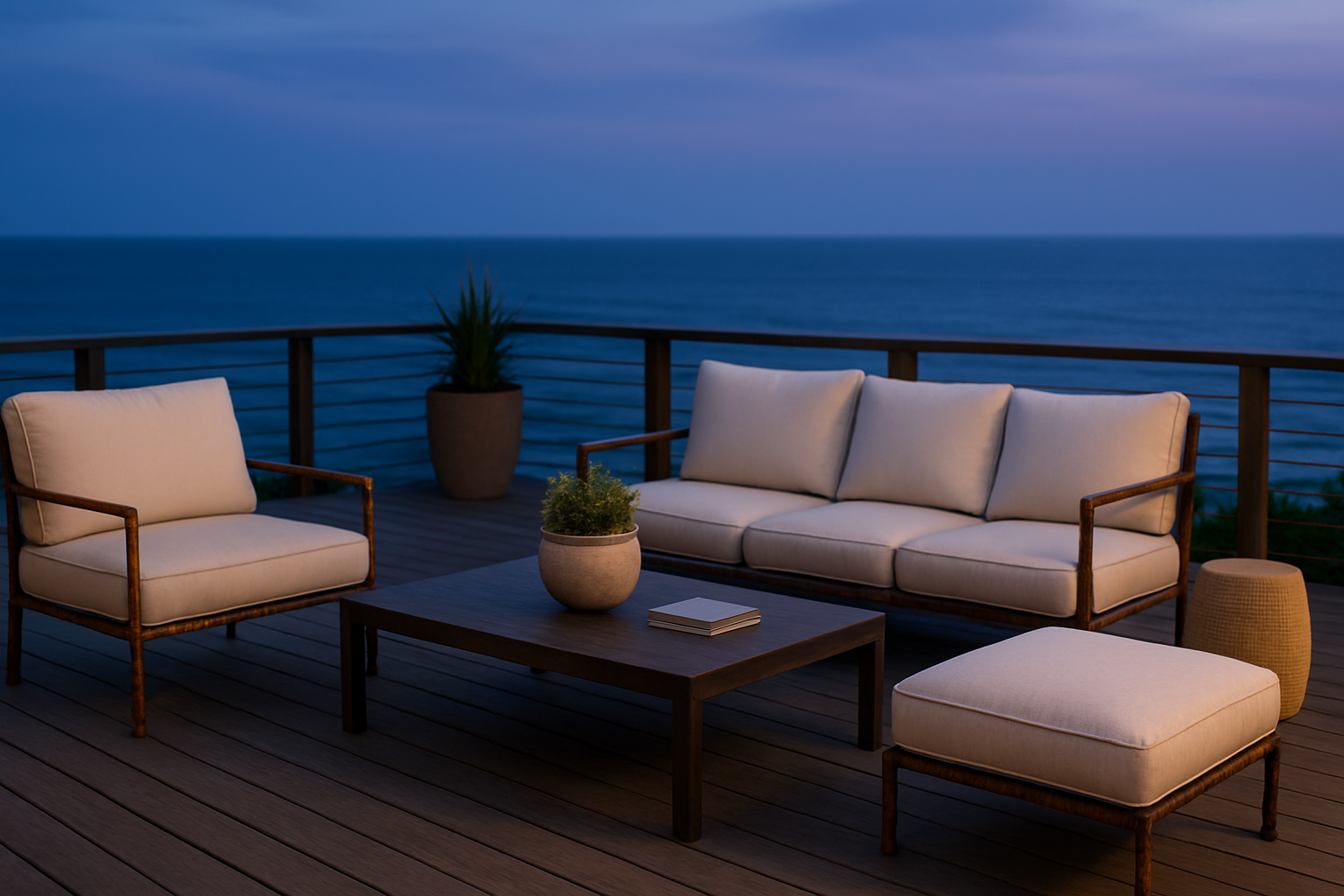
Why this matters: Rust not only compromises the appearance of your beloved patio furniture but also weakens its structural integrity, potentially leading to breakage and costly replacements. Tackling rust early and effectively is crucial for extending the lifespan of your outdoor pieces, ensuring they remain safe, beautiful, and functional for years to come.
What Tools and Materials Will You Need?
Before diving into rust removal, gather your supplies. Having everything on hand will make the process smoother and more efficient. Here’s a basic list:

Sophia & William HDPE Patio Furniture Set,Modern Outdoor Sectional Sofa Set with 5.5" Cushions and 43.5" Wood Grain Coffee Table, Deep Seating Outdoor Conversation Set for Backyard(Beige, 5 Seats)
View DealHow Do You Prepare Your Furniture for Rust Removal?
Preparation is key for effective rust removal. Start by moving your furniture to a well-ventilated area, preferably outdoors, and lay down a tarp or old newspapers to protect the ground from rust flakes and cleaning solutions. Give the furniture a thorough initial cleaning with a stiff-bristled brush to remove any loose dirt, grime, or flaking rust. You can also use a mixture of mild dish soap and water to wash away surface contaminants, then rinse and allow it to air dry completely before proceeding. This step ensures that you’re only working on the rust itself, not layers of dirt.
What's the Best Way to Tackle Light Rust Stains?
For minor rust spots and surface discoloration, you often don't need harsh chemicals. Natural household items can work wonders. One effective method is to use white vinegar: simply soak a cloth in undiluted white vinegar and place it over the rust stain for several hours, or fully submerge smaller items. The acetic acid in the vinegar will dissolve the rust. Another excellent option is a baking soda paste. Mix baking soda with just enough water to form a thick paste, apply it generously to the rust, and let it sit for an hour or two. For both methods, after the soaking time, scrub the area with a stiff-bristled brush, steel wool, or even a crumpled piece of aluminum foil (it's surprisingly effective!). Rinse thoroughly and dry.
Pro Tip: For rust stains on delicate surfaces, create a paste using cream of tartar and hydrogen peroxide. This milder abrasive can lift rust without damaging the finish underneath, though it might require a bit more elbow grease and repeat applications.How Do You Remove Moderate to Heavy Rust?
When rust has truly taken hold, you'll need to step up your game. For larger patches or deeper corrosion, a wire brush is your best friend. Vigorously scrub the rusted areas to remove as much loose rust as possible. Follow this with medium-grit sandpaper (around 180-grit) to further smooth out the surface and eliminate any remaining flakes. For very stubborn or widespread rust, a commercial rust remover can be incredibly effective. Always follow the manufacturer's instructions carefully, ensuring you wear appropriate safety gear (gloves, eye protection) and work in a well-ventilated area. These products contain stronger acids that chemically convert or dissolve rust, making it easier to wipe away.
Is There a Way to Neutralize and Clean After Rust Removal?
Absolutely. Once you've physically removed the rust, it's crucial to neutralize any acidic residues from cleaners and thoroughly clean the furniture. Use a clean cloth dampened with plain water to wipe down the treated areas. For commercial rust removers, a final rinse with mild soapy water followed by a clean water rinse is often recommended to ensure all chemicals are removed. Pay close attention to crevices where solutions might hide. After rinsing, dry the furniture completely. Any remaining moisture, especially in hidden spots, can invite rust back almost immediately. You can air dry in the sun or use clean towels.
Pro Tip: After rinsing and drying, wipe down the metal surface with rubbing alcohol. This helps to remove any remaining moisture and prepares the surface for painting or sealing by degreasing it, ensuring better adhesion for your protective coatings.How Can You Protect Your Furniture from Future Rust?
Preventing future rust is just as important as removing existing rust. Once your furniture is clean, dry, and rust-free, it's time to apply protective coatings. Start with a rust-inhibiting primer designed for metal. Apply one to two even coats, allowing each coat to dry according to product instructions. This primer creates a barrier and helps your topcoat adhere better. Once the primer is dry, apply two to three thin, even coats of an exterior-grade metal paint, ensuring full coverage. For an extra layer of defense, especially in humid climates, consider finishing with a clear sealant or wax. Regularly inspect your furniture for any nicks or scratches in the paint, and touch them up promptly to prevent rust from taking hold again.

Modern Adirondack Chair with Cup Holder, HDPE Plastic Patio Chairs for All Weather, Fire Pit Chair, Outdoor Lawn Chairs for Deck, Porch, Backyard, Garden, Black
View DealWhen Should You Consider Replacing Rusty Furniture?
While most surface rust can be remedied, there comes a point when replacement is the more practical and safer option. If the rust has perforated the metal, causing holes or significant structural damage, or if the furniture feels wobbly and unsafe despite repairs, it’s time to say goodbye. Deep, pervasive rust can compromise the integrity of the material beyond repair, making the item dangerous to use. When contemplating a replacement, consider materials that are inherently rust-resistant, such as high-quality HDPE plastic or aluminum.
For durable, rust-proof options, explore furniture made from HDPE plastic. Pieces like the Sophia & William HDPE Patio Furniture Set (Score: 86/100) are designed to withstand all weather conditions without rusting. Read our full review. Similarly, the Modern Adirondack Chair with Cup Holder by POLYDUN (Score: 85/100) and the coordinating nalone Adirondack Side Table 16.5" Outdoor Side Table (Score: 85/100) offer stylish, maintenance-friendly alternatives that eliminate rust worries entirely. Read our full review for the chair and Read our full review for the side table.
Pro Tip: When repainting, choose a color slightly different from the original in a discreet area first to ensure it matches. High-quality exterior metal paints often come with built-in rust inhibitors, offering dual protection.What Mistakes Should You Avoid?
To ensure a successful rust removal project and protect your furniture (and yourself), steer clear of these common pitfalls:
Neglecting Safety Gear: Always wear gloves and eye protection. Rust particles and cleaning chemicals can irritate skin and eyes. Ignoring Full Drying Time: Applying primer or paint to a surface that isn't completely dry will trap moisture underneath, leading to new rust bubbles forming quickly. Using Abrasives Too Aggressively: While a wire brush is necessary for heavy rust, over-aggressive scrubbing or using too coarse sandpaper on delicate areas can scratch and damage the underlying metal, creating new weak points for rust.- Skipping the Primer: Primer is not just an extra step; it's a critical layer for adhesion and rust prevention. Skipping it significantly reduces the longevity of your paint job.
Quick Checklist
Removing rust from your patio furniture is a manageable task that can dramatically improve its appearance and extend its life. By following these steps, you’re not just cleaning; you’re restoring and protecting your investment.
If your current furniture is a persistent rust magnet, consider investing in modern, rust-proof materials like HDPE plastic. These options, like the Sophia & William HDPE Patio Furniture Set or the POLYDUN Modern Adirondack Chair, offer a beautiful, durable, and low-maintenance solution for your outdoor living space. They're built to last, letting you enjoy your patio without the constant battle against rust.
Affiliate Disclosure: This article features products we've independently reviewed. We may earn a small commission if you purchase through our links — at no extra cost to you. This supports our editorial work. Learn more
Products Mentioned
Independently reviewed • Prices updated regularly
Sophia & William HDPE Patio Furniture Set,Modern Outdoor Sectional Sofa Set with 5.5" Cushions and 43.5" Wood Grain Coffee Table, Deep Seating Outdoor Conversation Set for Backyard(Beige, 5 Seats)
The Sophia & William HDPE Patio Set scores 74/100, offering superior comfort and weather resistance in an unproven package.
Modern Adirondack Chair with Cup Holder, HDPE Plastic Patio Chairs for All Weather, Fire Pit Chair, Outdoor Lawn Chairs for Deck, Porch, Backyard, Garden, Black
Durable, comfortable Poly Lumber Adirondack chair with modern style and zero fuss.

nalone Adirondack Side Table 16.5" Outdoor Side Table HDPE Plastic Double Adirondack End Table Small Table for Patio (Black)
The nalone Adirondack Side Table scores 85/100, excelling with two-tier storage and superior HDPE weather resistance for small spaces.
Prices may vary. As an Amazon Associate, we earn from qualifying purchases.
James Kowalski is a furniture industry analyst and tech reporter at SpaceVersus, covering outdoor living trends, material science, and consumer product testing. Their reviews combine hands-on field testing with algorithmic data analysis to cut through manufacturer claims and deliver objective verdicts.